

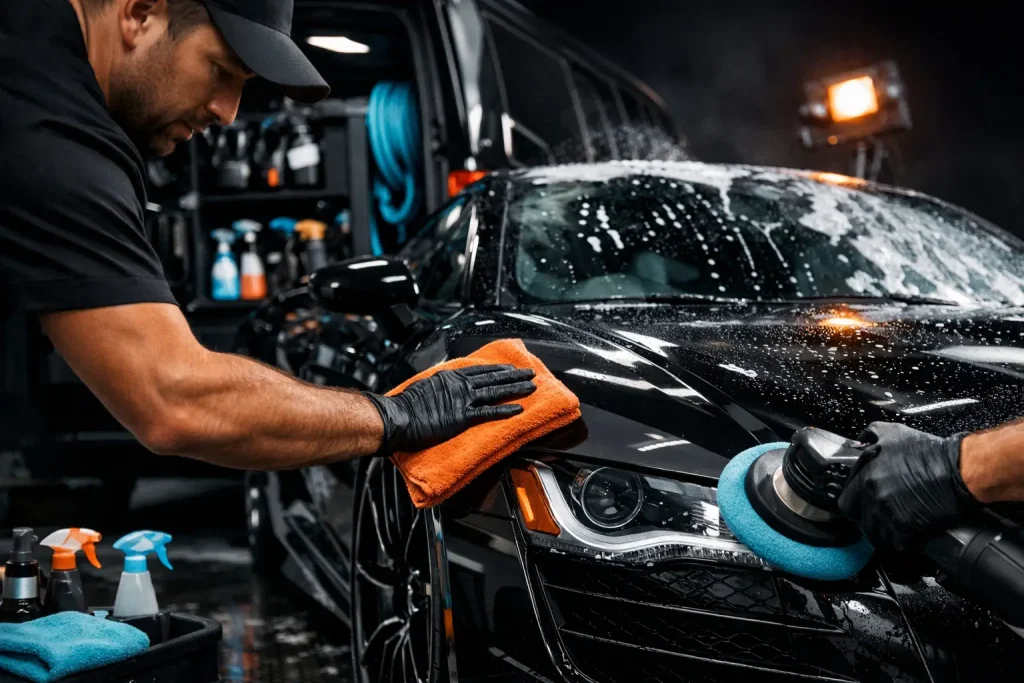
That fresh, deep-gloss finish starts fading long before most drivers notice it. The real damage usually builds quietly – harsh sun, dusty roads, bad wash habits, bird droppings, and tiny scratches that slowly dull the surface. If you want to know how to protect car paint, the answer is not one miracle product. It is a smart routine that keeps damage from stacking up.
For most vehicle owners, paint protection comes down to two goals: keeping the car looking sharp and avoiding expensive correction work later. Whether you drive daily, park outdoors, or manage multiple family vehicles, the best results come from combining safe washing, surface protection, and quick response when contaminants hit the paint.
How to protect car paint without overcomplicating it
A lot of owners either do too little or go too far. They ignore the paint until it feels rough and looks flat, or they buy a shelf full of products and use them in the wrong order. Good paint care is simpler than that.
Your paint needs three things. It needs gentle cleaning so dirt does not grind into the surface. It needs a protective layer that takes the hit before the clear coat does. And it needs consistency, because protection wears down over time.
If you only wash the car but never add protection, the finish stays exposed. If you add wax or coating but wash carelessly, you can still create swirl marks. The right balance is what keeps paint looking revived instead of tired.
The biggest threats to your paint
Sun exposure is a major one, especially in hot climates where UV intensity and heat work together. Constant sun can oxidize paint, weaken clear coat, and leave darker colors looking flat faster. Outdoor parking also means more exposure to dust, hard water spots, tree sap, and bird droppings.
Then there is wash damage, which causes more cosmetic wear than many people realize. Dirty sponges, reused towels, automatic brushes, and rushed drying all drag particles across the surface. That is where many fine scratches begin.
Road grime matters too. Brake dust, traffic film, bug residue, and pollution stick to paint and become harder to remove if they sit. The longer contaminants stay on the surface, the more likely they are to stain, etch, or bond to the clear coat.
Why bad washing does more harm than no washing
A neglected car gets dirty. A badly washed car gets damaged. That is an important difference.
When dirt is not safely rinsed and lifted away, it becomes abrasive. Circular hand motions with a dusty mitt can create visible swirls in one wash. Even drying can cause marring if the towel is low quality or the surface still has grit on it.
This is why premium detailing focuses so much on process. The wash itself is not just about removing dirt. It is about removing it without dragging it across the paint.
Start with a safer wash routine
The best paint protection begins before wax, sealant, or ceramic products ever touch the car. It starts with how you clean it.
Wash the vehicle regularly enough that dirt does not build into a stubborn layer. Weekly or biweekly works well for daily drivers, though it depends on weather, parking, and road conditions. A car parked outside near construction or sea air will usually need more attention than a garage-kept weekend vehicle.
Use pH-balanced car shampoo, clean wash tools, and separate materials for wheels and paint. Wheels hold heavier grime and brake dust, and that should never end up on your body panels. Dry with soft microfiber towels or forced air where possible to reduce contact.
If water quality is poor, hard water spots become their own problem. In that case, washing in shade and drying promptly matters even more. Letting mineral-heavy water dry on the surface can leave marks that need polishing to fully remove.
Choose the right layer of protection
If you are serious about how to protect car paint, you need something that stays on the surface after the wash is done. That protective layer helps reduce direct exposure to UV rays, contamination, water spotting, and grime adhesion.
There is no single best option for every owner. The right choice depends on your expectations, budget, and how much maintenance you are willing to keep up with.
Wax
Wax is the familiar option. It adds gloss, gives the paint a smoother feel, and offers short-term protection. It is a solid choice for owners who enjoy regular upkeep and want a noticeable shine boost. The trade-off is durability. Wax wears off faster, especially in strong heat and frequent washing.
Paint sealant
Sealants generally last longer than wax and hold up better against weather and detergents. They are a practical middle ground for drivers who want more durability without stepping into long-term coating services. The finish can feel slick and look crisp, though some people still prefer the warmer glow that wax can give.
Ceramic coating
Ceramic coating is the premium option for longer-lasting protection. It creates a durable layer that helps resist UV, chemical contamination, oxidation, and easier dirt buildup. It also makes maintenance easier because grime releases more easily during washes.
That said, ceramic coating is not magic armor. It will not make paint scratch-proof, and it still needs proper washing. But for owners who want strong protection, better gloss retention, and less day-to-day hassle, it is one of the most effective solutions available.
Prep matters more than people think
Putting protection on top of contaminated paint limits the result. If the surface feels rough, looks dull, or has bonded fallout and light defects, prep work should come first.
Clay bar treatment removes embedded contamination that washing alone cannot lift. Polishing can refine the finish, reduce light swirl marks, and bring back clarity before any protective product is applied. This step matters because whatever sits under the wax, sealant, or coating will still be there after protection goes on.
For newer cars, prep may be light. For daily drivers with neglected paint, prep can make the biggest visual difference of the entire process.
Parking choices affect paint more than most products
You can buy premium protection and still shorten its life with constant exposure. Where you park plays a big role in how well paint holds up.
Covered parking is always better when available. It reduces UV exposure, lowers heat stress, and limits contamination from trees, birds, and airborne debris. If covered parking is not an option, a high-quality car cover can help, but only if used carefully. A dusty cover dragged over dirty paint can create friction marks, so it is not a perfect fix for every situation.
Even small habits help. Parking away from sprinklers reduces water spotting. Avoiding trees reduces sap and droppings. Choosing shade at the right times can lower surface temperature and slow fading.
Handle contaminants fast
Some paint damage happens because the response is too slow. Bird droppings, bug splatter, tree sap, and fuel drips should not sit on the paint for days.
Bird droppings are especially aggressive because they can etch into clear coat, particularly in hot weather. Bug residue can stain. Tree sap hardens and becomes difficult to remove without stronger methods. Quick cleaning with safe products prevents minor contamination from turning into correction work.
This is where convenience matters. If your schedule is packed, paint protection often fails because maintenance gets delayed. A professional mobile service makes it easier to stay ahead of damage instead of reacting after the finish has already lost clarity.
When professional protection makes more sense
Some owners enjoy doing every step themselves. Others want the result without giving up half a Saturday. Neither approach is wrong.
Professional care makes sense when the paint already needs correction, when you want longer-lasting protection applied properly, or when you simply want consistent results without the trial and error. Services like clay bar treatment, machine polishing, wax application, and ceramic coating work best when done with the right tools, lighting, and trained technique.
That is where a premium mobile provider like Ride Revivers fits naturally into busy routines. You get doorstep convenience, trained execution, and protection that is built around real-world use rather than occasional touch-ups.
The smartest way to keep paint looking newer
The smartest answer to how to protect car paint is not chasing perfection. It is preventing avoidable damage. Wash safely, protect the surface, remove contaminants quickly, and match the level of protection to how you actually use the car.
A daily driver parked outdoors needs a different plan than a garage-kept weekend car. A family with multiple vehicles needs consistency more than occasional deep treatments. The goal is not to baby the car. The goal is to keep gloss, clarity, and resale value working in your favor.
Paint stays sharper when care becomes routine instead of repair. Start there, and every wash, polish, or protective treatment delivers more visible value.