

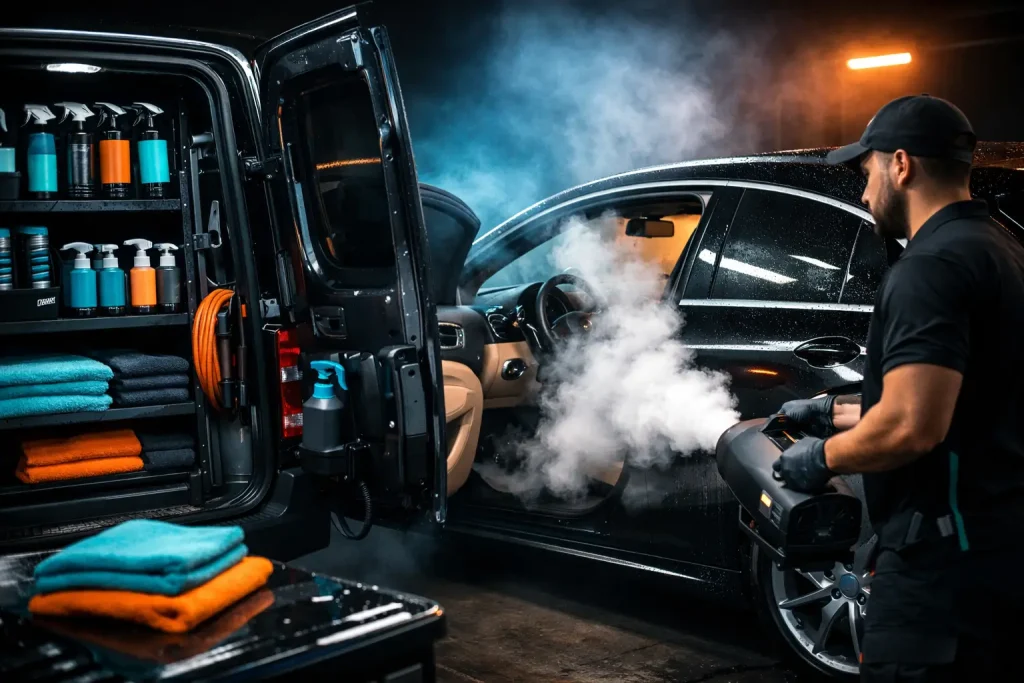
A premium interior should smell clean, not heavily perfumed. The right odor neutralizing car treatment does more than cover up last night’s takeout, wet gym gear, pet odors, or cigarette smoke. It finds where the odor is living, removes the buildup feeding it, and restores a fresher cabin that feels right every time you open the door.
For busy vehicle owners, this matters more than it may seem. Your car is often a commute space, family transport, meeting room, and weekend escape in one. A lingering odor can make an otherwise spotless vehicle feel neglected. Air fresheners may offer a quick improvement, but they rarely solve the problem underneath.
What an odor neutralizing car treatment should do
Odors are usually caused by bacteria, moisture, organic residue, mold spores, smoke particles, or residue trapped in fabric and ventilation components. If the source remains, the smell returns as soon as the fragrance fades or the cabin heats up.
A professional treatment should start with inspection, not fragrance. The technician needs to identify whether the odor is coming from seats and carpets, the headliner, the trunk, floor mats, an air-conditioning system, or a hidden spill under the seat. This is particularly relevant in Dubai, where high cabin temperatures can intensify even a small leftover odor.
From there, the treatment should combine targeted cleaning with an appropriate neutralizing method. Fabric and carpet stains may need extraction or enzyme-based cleaning. Smoke odor may require deeper surface cleaning and treatment of the air system. A musty smell often points to moisture, a dirty cabin filter, or microbial growth around the evaporator.
The goal is simple: eliminate the cause as far as possible, rather than adding a stronger scent on top of it.
Why air fresheners are not a real fix
A hanging freshener, dashboard clip, or spray has a place when the interior is already clean and you simply want a light scent. It is not a substitute for odor removal. Perfume mixed with sour milk, damp carpet, or smoke can make the cabin feel worse, not better.
The challenge is that many odor sources are out of sight. A spilled drink can travel through carpet backing and settle beneath the mat. Pet hair can collect under seats and in cargo-area seams. Smoke particles can cling to fabric, leather, plastics, and the roof liner. Even after a regular interior wipe-down, those particles can remain.
That is why a proper treatment focuses on the layers that ordinary cleaning misses. It is less about making the vehicle smell like a fragrance and more about bringing it back to a neutral, genuinely clean baseline.
The professional process behind lasting results
A quality odor treatment is not one product applied everywhere. It is a sequence of careful steps chosen for the vehicle and the type of odor.
1. Inspecting the cabin and finding the source
The first step is a detailed interior check. Technicians look under seats, inside door pockets, around cup holders, beneath floor mats, and throughout the trunk. They also assess whether the smell increases when the air conditioning is switched on, which can point to the ventilation system.
This assessment prevents wasted effort. Treating upholstery alone will not solve an odor caused by a clogged cabin filter. Likewise, deodorizing the vents will not remove spoiled food residue trapped in the carpet.
2. Deep-cleaning affected surfaces
Once the source is identified, cleaning begins. Vacuuming removes loose debris, hair, sand, and dust that can hold odor-causing particles. Upholstery, carpets, and mats may then be shampooed or extracted to lift residue from deeper fibers.
Leather and delicate trims need a different approach. Excess moisture or harsh chemicals can damage finishes, so professional products and controlled application matter. The best result is a clean, natural-looking interior without sticky residue or an artificial shine.
3. Treating the air-conditioning system
If an odor appears when the AC starts, the evaporator area or cabin filter may be involved. Moisture around these components can create a stale or musty smell, especially in vehicles that run air conditioning frequently.
A proper service can include cleaning the ventilation pathway and evaluating the cabin filter. In some cases, replacing an old filter is the most practical part of the solution. This is a small detail with a noticeable effect on how fresh the cabin feels.
4. Neutralizing remaining odor particles
After cleaning, a targeted neutralizer helps address lingering particles that cannot be removed through wiping alone. Depending on the odor and the vehicle, this may involve enzyme treatments, interior fogging, or controlled odor-deodorizing equipment.
Not every method is right for every situation. Strong oxidizing treatments can be effective for severe odors, but they must be handled professionally, with the cabin empty and properly aired out afterward. For a minor food spill, a focused fabric treatment is often more appropriate than an aggressive whole-cabin process.
When your car needs more than a basic interior clean
A regular interior detail keeps dust, crumbs, and surface grime under control. An odor neutralizing treatment becomes worthwhile when the smell returns soon after cleaning, grows stronger in heat, or is noticeable to passengers.
Common signs include a sour smell after a spill, persistent pet odor, stale smoke, dampness after rain or a leak, mildew-like AC odor, or a musty trunk. A recently purchased pre-owned vehicle can also benefit from a deeper reset, particularly if its cleaning history is unknown.
Families often notice odors first around rear seats, car seat areas, and floor mats. Busy professionals may find that coffee spills and food packaging build up over time. Neither situation calls for embarrassment. It simply means the interior needs care below the surface level.
How to prepare for your treatment
You do not need to spend an hour cleaning before a professional appointment. However, removing personal belongings, valuables, documents, and loose items from the cabin helps the service go faster and allows every area to be reached properly.
If you know what caused the odor, mention it before the treatment. A technician can make better decisions when they know there was a milk spill, pet accident, water leak, smoke exposure, or food left in the vehicle. Being specific does not make the problem harder to solve. It makes the treatment more precise.
For severe spills, avoid repeatedly soaking the area with household sprays. Extra moisture may push residue deeper into the padding or create new dampness issues. Blot fresh spills when possible, allow the area to breathe, and arrange professional care promptly.
Keep the cabin fresh after treatment
The treatment creates the reset. A few simple habits help protect it. Empty food packaging regularly, dry wet mats before putting them back in the vehicle, and avoid leaving damp towels or gym clothes in the trunk. If you travel with pets, use a washable seat cover and schedule routine vacuuming before hair and dander work into the upholstery.
It also helps to run the fan for a few minutes before parking occasionally, especially after long AC use. This can reduce residual moisture in the ventilation system. Replace the cabin filter according to your vehicle’s maintenance needs, sooner if you drive often in dusty conditions.
For owners who value consistent presentation, regular professional interior care is the easiest way to avoid the cycle of waiting until an odor becomes obvious. Ride Revivers brings that level of detailed, doorstep vehicle care to your schedule, so a clean cabin does not require giving up part of your day.
A fresh vehicle should never depend on a stronger fragrance. Treat the source early, protect the surfaces that carry daily life, and your cabin will keep feeling as polished as the rest of your drive.