

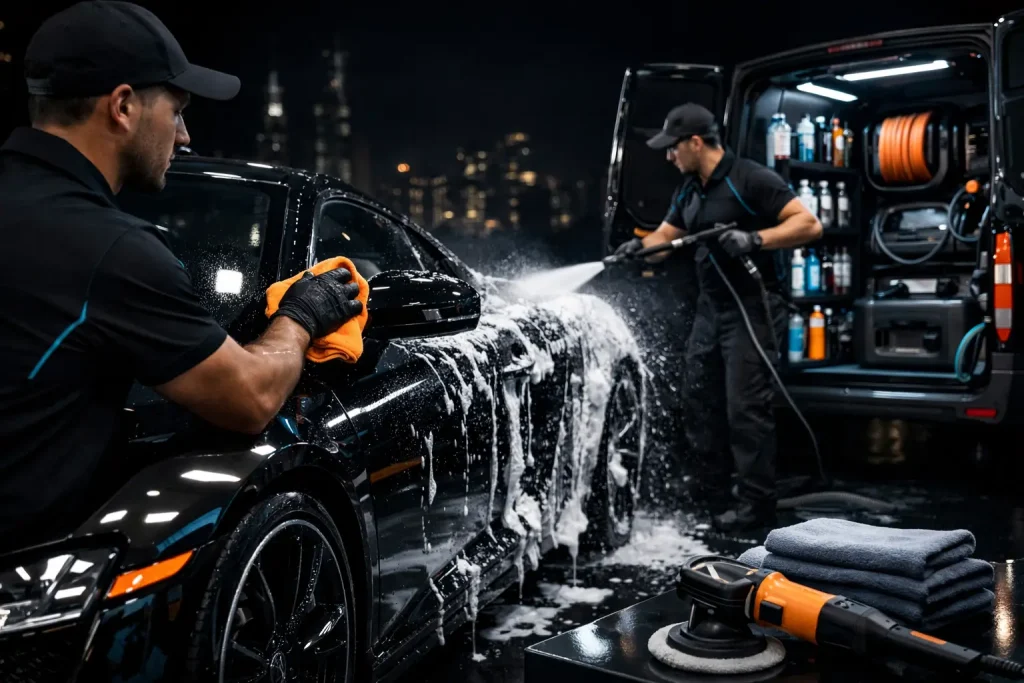
A car that looks fine from ten feet away can still be carrying months of buildup in the paint, carpets, vents, and trim. That is why how often should you detail your car is not really a once-a-year question. It depends on how you drive, where you park, who rides with you, and how much you want to protect the finish instead of just cleaning what is visible.
For most drivers, a full detail every four to six months is a smart baseline. That schedule keeps dirt, UV exposure, spills, and contamination from settling in long enough to cause real wear. If your car is exposed to heavy sun, frequent highway driving, kids, pets, or daily commuting, you will usually need attention more often.
How often should you detail your car for real-world use?
There is no single schedule that fits every vehicle. A weekend car kept in covered parking lives a very different life than a family SUV doing school runs, grocery trips, and daily traffic. The right detailing frequency sits somewhere between appearance and protection.
If you use your car every day, a light exterior wash every one to two weeks helps prevent grime from bonding to the paint. That is maintenance. Detailing is deeper. It targets the areas a regular wash misses, including embedded contamination, interior stains, trim fading, odor buildup, and the gradual dullness that makes a vehicle feel older than it is.
A practical rhythm for most owners looks like this: exterior and interior touch-up care monthly, with a deeper full detail every four to six months. If your standards are higher or your car works harder, every two to three months is often worth it.
What changes the detailing schedule?
The biggest factor is exposure. Cars parked outdoors collect more dust, sap, bird droppings, and UV damage than cars kept in covered parking. Heat matters too. In hot climates, interior materials dry out faster, dashboards fade sooner, and leather shows wear earlier if it is not cleaned and conditioned consistently.
Driving conditions also change the equation. Highway miles bring tar, bugs, and road film. City traffic adds brake dust and pollution. If you regularly carry children, pets, gym bags, food, or work gear, interior detailing moves up the priority list quickly.
Then there is the finish itself. Dark paint shows swirl marks, water spots, and dust sooner. Light interiors reveal stains less dramatically, but they still trap dirt. A ceramic-coated vehicle may need less correction work over time, but it still needs maintenance to keep that protection performing properly.
A simple schedule that works for most cars
If you want a clean answer without overthinking it, use this.
Wash the exterior every one to two weeks. Clean the interior lightly every two to four weeks. Book a proper full detail every four to six months. Add paint protection, decontamination, or polishing as needed rather than waiting until the finish looks tired.
That balance works because it prevents buildup instead of reacting to it. Once contamination has sat on paint for months, or once stains have settled into fabric and leather, restoring the surface takes more time and more correction. Regular care is not just about gloss. It protects value and reduces long-term wear.
How often should you detail your car if you have kids or pets?
More often than the average driver. Family vehicles collect crumbs, sticky fingerprints, spills, pet hair, and odors at a pace that makes a basic wash almost irrelevant. In those cases, interior detailing every two to three months is usually the sweet spot, with lighter cleanups in between.
This matters for more than appearance. Dirt trapped in seats, mats, and air vents affects how the cabin feels every day. A properly detailed interior looks better, smells fresher, and feels like a vehicle you actually want to spend time in. For families with multiple cars, keeping each one on a rotating care schedule is often easier than waiting until every interior needs rescue work.
When a car needs detailing sooner
Sometimes the right answer is not based on the calendar. It is based on signs your car is already giving you.
If the paint feels rough after a wash, the surface likely has bonded contamination. If water stops beading, your protection may be wearing off. If the interior has lingering odor, visible dust around trim lines, stained seats, or greasy buildup on high-touch areas, it is time.
You should also move detailing up the schedule after a road trip, beach use, a rainy season, or months of outdoor parking. Those periods accelerate wear quietly. By the time the car looks obviously neglected, more correction may be needed than simple maintenance would have required.
Exterior detailing versus interior detailing
Not every detail needs to be full-scope. Sometimes the exterior needs the attention first. Other times the cabin is the real issue.
Exterior detailing focuses on the paint, wheels, glass, trim, and protection layers like wax or ceramic treatment. This is what keeps the vehicle glossy, smooth, and shielded from contamination. If you care about appearance, resale value, and preserving the finish, exterior care should not be delayed too long.
Interior detailing is about comfort and condition. It includes vacuuming, stain removal, leather or fabric treatment, trim cleaning, and sanitizing high-contact areas. If you spend hours each week in your car, this side matters just as much. A spotless cabin changes the ownership experience immediately.
For many busy owners, alternating priorities works well. One visit may focus on interior revival, while the next includes deeper exterior correction and protection.
Is detailing every month too much?
Not necessarily, but it depends on what you mean by detailing. A careful maintenance detail every month can be ideal for premium vehicles, daily drivers in harsh conditions, or owners who simply expect a consistently polished finish. That kind of schedule keeps the car in top shape with less aggressive work each time.
What you want to avoid is unnecessary heavy correction too often. Machine polishing, for example, should be done when the paint actually needs defect removal, not as a habit. The smartest approach is frequent maintenance with targeted deeper services when conditions call for them.
The value of protection changes the timing
If your vehicle has wax, sealant, or ceramic coating, detailing becomes less about rescue and more about upkeep. Protection slows down contamination, improves gloss retention, and makes regular cleaning easier. That means the car stays in better condition between appointments.
Still, protection is not permanent immunity. Dust, water spots, brake dust, and interior grime will continue to build. Protected vehicles often look better longer, but they benefit most from consistent maintenance that keeps those protective layers clear and effective.
That is where premium doorstep service makes a difference. When professional care is easy to book at home or work, it is easier to keep to a proper schedule instead of waiting until the car clearly needs major attention.
If you care about resale, detail before the car looks bad
One of the most expensive mistakes owners make is treating detailing like a cosmetic extra. It is maintenance. A well-kept paint finish, clean engine bay, fresh interior, and protected surfaces all support stronger resale value and a better ownership experience while you still have the car.
Buyers notice haze in the paint, worn trim, odors, stained upholstery, and neglected wheels right away. So do passengers. Regular detailing protects more than appearance. It protects the impression your vehicle gives and the condition it holds over time.
If you are wondering whether now is the right time, it usually is when you have started noticing the little things. The shine is flatter. The cabin does not feel as fresh. The surfaces are clean enough, but not truly revived. That is the moment to act, not the moment to wait.
The best schedule is the one you can maintain consistently. For most cars, that means routine washes, light interior upkeep, and a full detail every four to six months, with more frequent care for hard-working vehicles. Keep it regular, and your car stays cleaner, sharper, and better protected without ever needing a comeback story.