

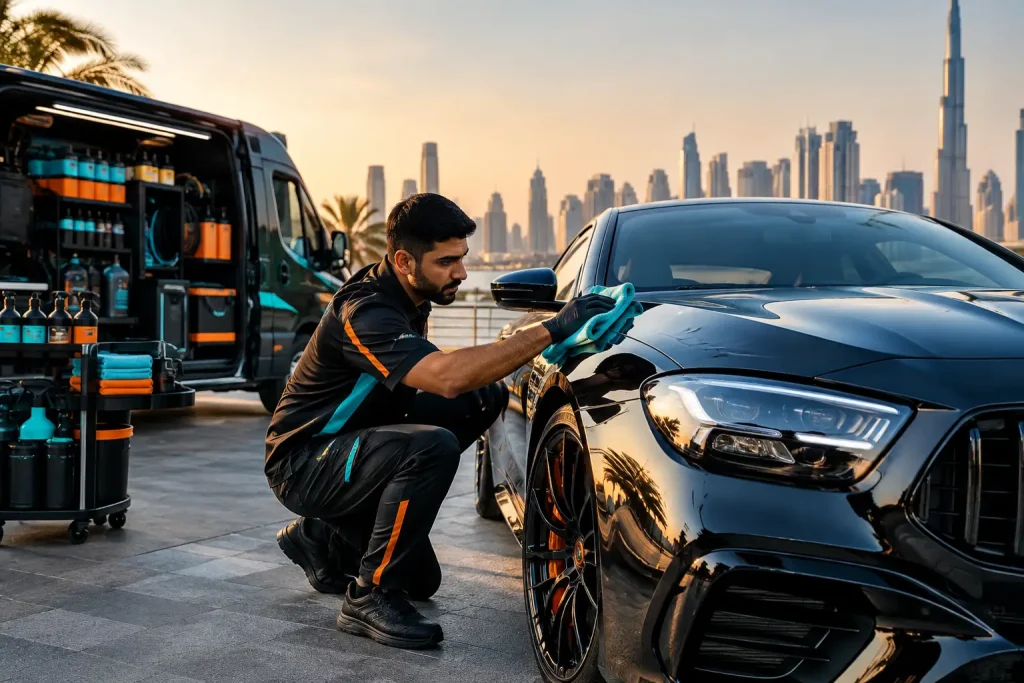
A freshly detailed vehicle can look exceptional in the morning and tired again after a few days of sun, dust, traffic film, and daily use. The best vehicle protection treatments do more than create a temporary shine. They help preserve paint clarity, reduce the impact of contaminants, keep interiors easier to maintain, and protect the polished look you invested in.
For busy owners, protection is also about saving time. When the right treatment is applied properly, routine washing becomes simpler, stains are less likely to settle in, and your vehicle keeps its revived finish for longer between detailing appointments.
How to Choose the Best Vehicle Protection Treatments
There is no single treatment that suits every vehicle. A daily-driven family SUV parked outdoors has different needs from a weekend sports car, a motorcycle, or a vehicle being prepared for resale. The best choice depends on where you park, how often you drive, the condition of the paint, and how much maintenance you want to handle afterward.
Start with the surface that needs the most help. If the paint has lost depth and feels rough, preparation should come before protection. If the cabin deals with children, pets, coffee, and regular commuting, interior fabric or leather protection may deliver more practical value than an exterior upgrade alone. Owners who spend long hours on highways may prioritize protection from stone chips and road debris.
A premium result is rarely about applying the strongest product to every surface. It is about combining the right level of paint correction, cleaning, and protection for the way you actually use your vehicle.
Ceramic Coating for Long-Term Gloss
Ceramic coating is one of the most effective options for owners who want deep gloss, water repellency, and easier exterior maintenance. Once applied to properly prepared paint, it creates a durable protective layer that helps reduce the bonding of dirt, grime, water spots, and light environmental contaminants.
Its biggest visual benefit is clarity. A quality coating can make paint look richer and more reflective, particularly after polishing has removed dullness, minor swirl marks, and oxidation. Water tends to bead and roll away more easily, which means the vehicle often stays cleaner-looking between washes.
Ceramic coating is not a substitute for careful driving or regular maintenance. It will not prevent deep scratches, dents, or stone chips, and it can still develop water spotting if mineral-heavy water dries on the surface. It also performs best when the paint is thoroughly decontaminated and corrected before application. Applying a coating over neglected paint simply seals in the flaws.
For owners who value a consistently polished appearance and want to reduce the effort of upkeep, ceramic coating is often the strongest all-around exterior choice.
Wax and Paint Sealant for Flexible Protection
Wax remains a smart option when you want an immediate boost in gloss and a protective layer without committing to a longer-term coating. It enhances paint depth, creates a smooth finish, and helps water shed from the surface. It is especially appealing for vehicles that receive regular professional detailing or for owners who enjoy refreshing their vehicle’s shine throughout the year.
Paint sealants generally offer longer-lasting protection than traditional wax and are designed to stand up well to heat, washing, and daily exposure. Both options are more affordable and flexible than ceramic coating, but they need to be renewed more often.
The quality of preparation matters here too. A clay bar treatment removes bonded contaminants that normal washing cannot lift, leaving the paint smoother and ready for wax, sealant, or ceramic protection. When followed by polishing, it can dramatically improve the finish of a vehicle that looks clean but no longer looks crisp.
Paint Protection Film for High-Impact Areas
Paint protection film, often called PPF, is designed for a different job. While ceramic coating focuses on gloss and chemical resistance, PPF provides a physical barrier against road debris, light scuffs, and stone chips. It is most valuable on high-impact zones such as the front bumper, hood, mirrors, rocker panels, and door edges.
This treatment makes particular sense for newer vehicles, performance models, and cars that regularly travel at highway speeds. It can also be a practical choice for owners who want to preserve factory paint in areas that take the most abuse.
PPF typically costs more than wax or ceramic coating, especially when installed across a larger portion of the vehicle. It is not always necessary to cover every painted panel. Protecting the most exposed areas can offer a better balance of cost, appearance, and real-world value. Ceramic coating may then be applied to the remaining exterior surfaces for easier cleaning and a consistent gloss.
Interior Protection That Handles Real Life
Exterior shine gets attention, but the cabin is where daily wear becomes most noticeable. Fabric protection helps make spills easier to clean before they become permanent stains, while leather conditioning and protectants help maintain a cleaner, more supple finish. These treatments are especially useful in family vehicles, rideshare vehicles, and cars exposed to frequent commuting.
The right interior care also supports a fresher driving experience. Deep cleaning removes built-up dust and residue from high-touch surfaces, while odor treatment addresses the source of unpleasant smells instead of simply covering them with fragrance. For vehicles with light-colored upholstery, regular protection can make a major difference in how well the interior holds up over time.
Interior treatments are not permanent shields. A spill still needs prompt attention, and leather still needs appropriate cleaning. The advantage is that the surface is less likely to absorb stains quickly, giving you more time to respond.
Glass, Wheels, Tires, and Underbody Care
Some of the most useful protection is applied to the areas that work hardest. Glass treatment improves water behavior on windshields and windows, helping rain clear more efficiently and making grime easier to remove. It is a small upgrade that can make wet-weather driving feel more comfortable.
Wheel protection helps brake dust and road grime release more easily during washing. This is particularly valuable for intricate wheel designs that are difficult to clean by hand. Tire dressing, when applied correctly, restores a clean, finished appearance without leaving an overly glossy or greasy look.
Underbody washing is another practical service for vehicles exposed to dust, mud, construction zones, or coastal air. It removes buildup from areas you do not see but should not ignore. While it is not a replacement for mechanical inspection or rust prevention work, routine underbody care supports a cleaner, better-maintained vehicle from the ground up.
Build Protection Around Your Driving Habits
A vehicle that lives outdoors needs stronger defense from UV exposure, heat, dust, and bird droppings than one parked in a covered garage. In hot, dusty conditions such as Dubai, a ceramic coating combined with regular maintenance can be a sensible choice for preserving exterior gloss. If you drive long distances or spend time on highways, adding paint protection film to the front end may be worth the investment.
For a leased vehicle or a car you plan to sell within a few years, paint correction, a quality sealant, and interior protection can present the vehicle at its best without overcommitting to a high-cost package. For a new vehicle you intend to keep, ceramic coating and targeted PPF can protect both appearance and resale appeal over the long term.
The most effective plan is usually layered. Clean and decontaminate the paint first, correct visible defects where needed, then apply a treatment suited to the surface. Follow it with routine washes using safe techniques. Protection lasts longer when it is maintained instead of left to fight months of neglect.
Why Professional Application Makes the Difference
Premium products cannot compensate for rushed preparation. Paint protection treatments need clean, dry, properly decontaminated surfaces to bond and perform as intended. Interior protectants also need to be matched to the material, whether that is leather, fabric, vinyl, Alcantara-style trim, or delicate displays and controls.
Professional detailing brings consistency to that process. Trained staff can identify what the vehicle needs before applying a treatment, rather than using the same product on every car. At Ride Revivers, that care can happen at your doorstep, giving your vehicle the attention it needs without adding another trip to your schedule.
Choose protection based on the marks, messes, and conditions your vehicle faces every week. The right treatment should not just make your car look better after one appointment. It should make every drive, wash, and return to the parking spot feel like your vehicle is being properly looked after.