

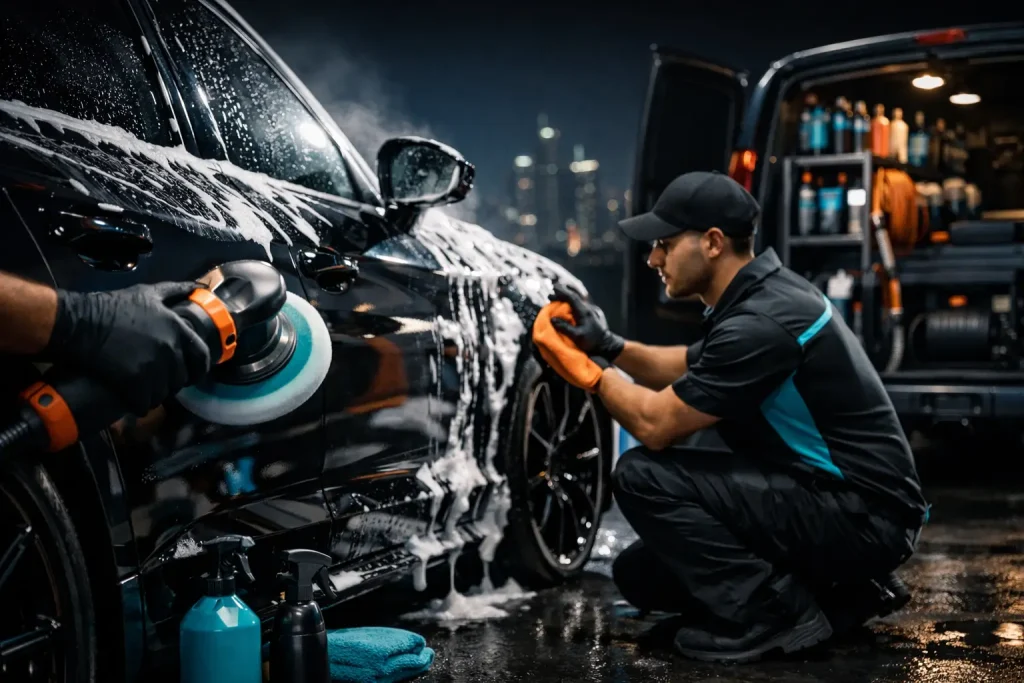
A buyer may forget the exact horsepower figure or tire brand, but they will remember the first impression: dull paint, stained seats, dusty vents, and a lingering odor suggest a vehicle that has not been cared for. So, can detailing improve resale value? In many cases, yes. Professional detailing can help a vehicle present as cleaner, newer, and better maintained, which can support a stronger asking price and reduce the pressure to negotiate.
Detailing is not a shortcut for mechanical issues or accident damage. It is a smart way to protect the condition buyers can see, touch, and smell – the details that often shape their confidence before a test drive even begins.
Can Detailing Improve Resale Value Before You Sell?
A well-detailed vehicle does more than look polished in listing photos. It gives buyers a clear signal that routine care has been taken seriously. When the paint has gloss, the cabin feels fresh, and the trim is clean rather than faded, a buyer is more likely to see the car as a premium, well-kept option instead of another vehicle that needs work.
That perception matters because used-car buyers often make quick judgments. They may assume neglected appearance means neglected maintenance, even when the service history is excellent. A spotless interior and protected exterior help remove that doubt.
The resale benefit is not always a fixed dollar amount. It depends on the vehicle’s age, mileage, market demand, existing condition, and price range. On a newer or higher-value vehicle, correcting visible defects and preserving materials can have a meaningful effect on buyer interest. On an older daily driver, detailing may not dramatically raise the market value, but it can still help it sell faster and with fewer low offers.
Where Detailing Makes the Biggest Difference
The most valuable work is usually focused on visible wear and the areas buyers inspect closely. A premium detail should make the car feel genuinely cared for, not simply wet after a quick wash.
Exterior paint, glass, and wheels
Paint condition is one of the first things buyers notice. Road film, water spots, oxidation, light swirl marks, and dull finishes can make an otherwise sound vehicle look tired. A thorough wash, clay bar treatment, and professional polish can restore clarity and gloss by removing bonded contamination and reducing light surface imperfections.
Protection matters, too. Wax, sealant, or ceramic coating can help preserve the finish and make future cleaning easier. A coating is not a reason to overprice a vehicle, and it cannot hide deep scratches or damaged clear coat. But on a car that is already in good condition, it helps demonstrate that the finish has received serious care.
Clean wheels, dressed tires, clear glass, and refreshed exterior trim complete the picture. These details do not usually create resale value on their own, but together they make the vehicle look finished and ready for its next owner.
Interior condition and odor removal
The cabin often has more influence on a buyer’s decision than owners expect. People spend their time inside the vehicle, so they notice sticky touchpoints, crumbs in seat rails, dust around screens, stains in upholstery, and odors from food, pets, smoke, or moisture.
A professional interior detail targets these areas with the right methods for leather, fabric, plastics, carpets, and headliners. Deep cleaning can lift surface grime, refresh upholstery, and leave the cabin looking closer to its original condition. Leather conditioning can also help prevent a dry, neglected appearance, provided it is done with products that do not leave an artificial shine.
Odor deserves special attention. Air freshener only masks a problem. If the smell comes from spills, damp carpets, smoke residue, or a dirty cabin filter area, the source needs to be treated. A neutral, clean-smelling cabin feels more trustworthy than one overwhelmed by fragrance.
Engine bay and overlooked areas
A carefully cleaned engine bay can reinforce the impression of a well-maintained car, especially when buyers open the hood. The goal is not to make it look artificially glossy. It is to remove loose dust and grime safely while keeping sensitive components protected.
Door jambs, trunk channels, fuel doors, underbody areas, and seat tracks also matter. Buyers may not name these areas, but they notice the difference between a vehicle that has received complete care and one that has been cleaned only where it is easy to see.
Detail Before Listing, Not After Viewings Begin
Timing has a direct effect on how much value you get from detailing. The best time is before photos are taken and before the first buyer arrives. Clean paint reflects better in images, a fresh interior makes every listing photo more appealing, and a vehicle that is ready to view lets you respond quickly to serious inquiries.
If you wait until the car has been shown several times, new dust, fingerprints, and road grime can quickly undo the first impression. A final maintenance wash before handover is useful, but the deeper revival should happen before the listing goes live.
For busy owners, doorstep service removes the usual delay. Rather than setting aside a day to visit a detailing center, you can have the vehicle professionally prepared at home or work. That convenience makes it easier to sell the car at its best instead of listing it in “good enough” condition.
Be Realistic About What Detailing Can Fix
Detailing delivers visible improvement, but it should be paired with honest expectations. Paint correction can reduce many light scratches and swirls, yet deep scratches, chipped paint, dents, and peeling clear coat may require bodywork. Interior cleaning can improve stained fabric, but severe burns, torn upholstery, and damaged trim may need repair or replacement.
The same rule applies to mechanical condition. A clean engine bay does not replace routine service, fresh tires, functioning air conditioning, or a clear maintenance record. Buyers who are spending seriously will still inspect the vehicle, request reports, and look for signs of deferred maintenance.
For this reason, the strongest resale strategy combines professional appearance care with practical preparation. Address warning lights, remove personal items, organize service documents, and be transparent about known issues. Detailing makes that preparation feel complete.
Choose the Right Detail for Your Vehicle’s Condition
Not every vehicle needs the most intensive package. A relatively new car with light dust and minor interior use may benefit most from a deep interior and exterior detail with paint protection. A vehicle with dull paint, embedded contamination, or visible swirls may be a better candidate for clay bar treatment and polishing.
If the car has been used heavily by a family, pets, or frequent commuters, prioritize upholstery, carpets, odor treatment, and touchpoints. If it has spent long periods outdoors in Dubai’s heat and dust, focus on paint decontamination, exterior trim, glass, and protection.
A trained detailing team should assess the vehicle rather than promise the same result for every car. The right service is the one that improves its presentation without spending more than the market can reasonably return.
How to Protect Value Until the Sale Is Complete
Once the vehicle is detailed, keep the result intact. Avoid eating in the car, clear out trunk clutter, and park under cover when possible. Use clean floor mats for viewings, wipe fingerprints from screens and door handles, and avoid strong fragrances that may make buyers wonder what is being concealed.
If you are still driving the vehicle daily, a light maintenance wash can keep the exterior sharp between appointments. This is where consistent care pays off: regular washes and interior upkeep are easier and more affordable than trying to reverse months of buildup just before selling.
Ride Revivers approaches resale preparation as more than a wash. The goal is a revived finish, a spotless cabin, and visible care that helps your vehicle make its best first impression.
A buyer should be able to walk up, open the door, and feel that the car has been respected. That confidence may not solve every negotiation, but it gives your vehicle a far better chance to stand apart for the right reasons.