

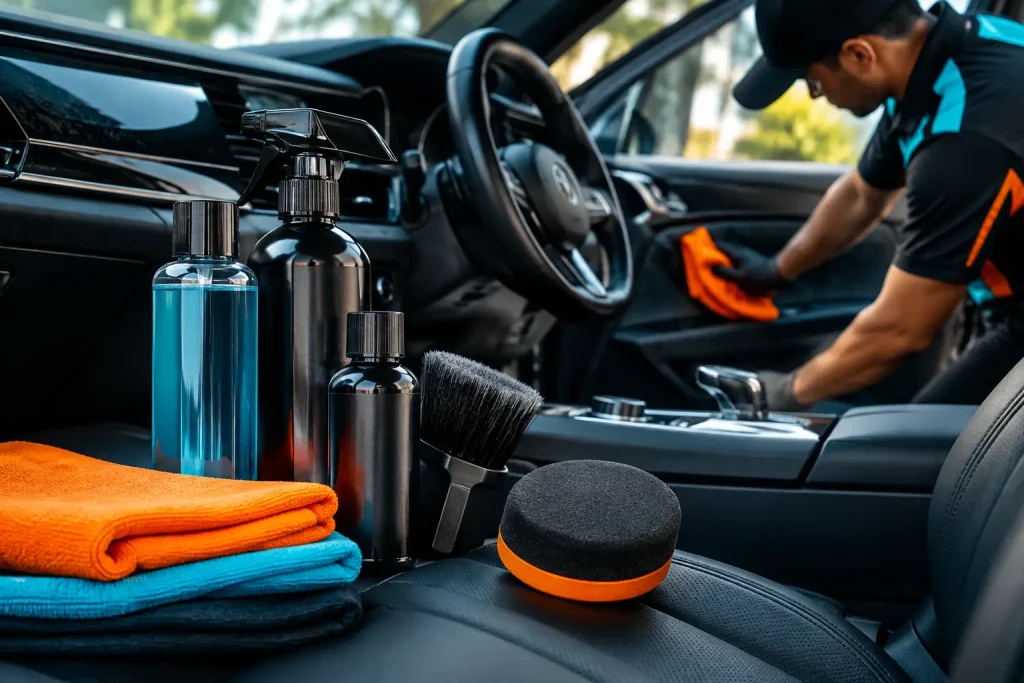
A clean cabin should feel as good as a freshly polished exterior looks. The best products for interior detailing do more than remove visible dust – they lift daily grime, treat the right material safely, control odors, and leave behind a refined finish instead of an artificial shine. The difference is especially noticeable on the surfaces you touch every day: the steering wheel, center console, screens, seats, and door panels.
For busy vehicle owners, product choice matters because the wrong cleaner can create more work. Harsh formulas can dry out leather, leave streaks on piano-black trim, or make a dashboard look greasy enough to attract dust again within days. Premium interior care is not about using the strongest product. It is about using the right one, in the right amount, on the right surface.
What Makes the Best Products for Interior Detailing?
A high-performing interior detailing product should clean effectively without changing the appearance or feel of the material. That means a low-residue formula for plastics and vinyl, a pH-balanced cleaner for leather, and a glass cleaner that flashes cleanly without haze. Fragrance can be pleasant, but it should never cover an odor that needs to be removed at its source.
In a vehicle exposed to heat, dust, food spills, pets, and frequent family use, versatility is valuable. Still, an all-purpose interior cleaner is not a complete detailing kit. It handles many hard surfaces well, but delicate screens, leather, fabric upholstery, and glass each respond better to products designed specifically for them.
The best results come from pairing quality products with clean tools. A premium cleaner applied with a dirty towel simply moves grime around. Soft microfiber towels, detailing brushes, a vacuum with narrow attachments, and a separate glass towel are part of the finish, not optional extras.
Start With an Interior-Safe All-Purpose Cleaner
An interior-safe all-purpose cleaner is the workhorse of a proper detail. It is ideal for textured plastics, rubber floor mats, door jambs, cup holders, steering wheels, pedal areas, and the small crevices that collect dust and body oils.
Look for a formula labeled safe for interior surfaces and low residue. For light maintenance cleaning, use it diluted according to the manufacturer’s directions. Stronger dilution is not always better. Overuse can leave product behind in textured trim, creating a patchy finish or attracting fresh dust.
Spray the product onto a microfiber towel or brush rather than directly onto sensitive areas. This is particularly important around buttons, vents, shifters, and electronic controls. Agitate gently, then wipe with a clean, dry microfiber towel. On heavily soiled steering wheels and armrests, repeat the process instead of soaking the surface.
Use a Dedicated Leather Cleaner and Conditioner
Leather seats need a different approach from plastic trim. Everyday oils, sunscreen, denim transfer, and heat can leave leather looking dull or uneven. A dedicated leather cleaner removes surface contamination while preserving the natural matte appearance that quality leather should have.
Apply the cleaner to a soft applicator or microfiber towel, then work in small sections. For perforated leather, use minimal moisture and avoid saturating the holes. A soft detailing brush can help clean stitching and textured grain, but pressure should stay light.
Conditioner is useful when the leather feels dry or loses its supple finish. Choose a non-greasy formula that absorbs fully and does not leave seats slick. Not every modern leather surface needs heavy conditioning after each clean, so follow the condition of the material rather than a fixed schedule. If the seats are coated leather, frequent gentle cleaning is usually more valuable than repeatedly applying rich dressings.
Choose a Screen Cleaner That Leaves No Streaks
Touchscreens, digital gauges, and glossy interior displays can make an otherwise clean cabin look neglected when covered in fingerprints. They also scratch easily. Household glass cleaner is often too aggressive for coated screens and may leave streaking or damage delicate anti-glare finishes.
Use a screen-safe cleaner with a clean, ultra-soft microfiber towel. Spray the towel, never the display. Wipe with light, even passes and use a second dry towel to remove any remaining haze. Avoid paper towels, tissues, and rough shop cloths, which can create fine scratches over time.
This same careful approach works well for piano-black trim and glossy interior panels. These surfaces show every fingerprint and swirl, so a gentle cleaner and minimal pressure make a visible difference.
Treat Fabric Seats and Carpets With Low-Moisture Cleaners
Fabric upholstery, carpet, and headliners hold onto more than dirt. They absorb spills, moisture, and odors, which is why a quick wipe rarely solves the problem. A fabric cleaner with targeted stain-lifting ability is the best choice for cloth seats, floor carpets, trunk liners, and mats.
For fresh spills, blot before cleaning. Rubbing can push the stain deeper into the fibers and spread it across a larger area. Apply fabric cleaner sparingly, agitate with an upholstery brush where needed, then blot with a microfiber towel. Follow with extraction or vacuuming once the area is dry if the soil level is high.
Moisture control matters. Soaking seats or carpets can create a damp smell and may leave water marks. Headliners need even more restraint because excessive liquid can weaken the adhesive behind the fabric. Clean a headliner using a lightly damp microfiber towel and gentle blotting, not scrubbing.
Finish Hard Surfaces With a Matte Interior Protectant
A dashboard does not need to shine to look clean. In fact, high-gloss dressing can reflect onto the windshield, make trim feel oily, and create an artificial result. The premium look is clean, even, and satin to matte.
A quality interior protectant helps keep vinyl, plastic, and rubber from drying out under intense heat and sun exposure. Choose one that dries to a natural finish and offers UV protection. Apply it sparingly to an applicator pad, spread it evenly, then buff away excess with a microfiber towel.
Avoid protectants on the steering wheel, pedals, shifter, and any surface where grip matters. Safety comes before shine. If a product leaves any slickness on a touchpoint, remove it and switch to a cleaner that leaves no dressing behind.
Do Not Forget Glass and Odor Control
Interior glass is one of the fastest ways to improve visibility and make a cabin feel freshly detailed. A dedicated automotive glass cleaner cuts through fingerprints, haze, and off-gassing film without leaving streaks. Use one towel to clean and a second, dry glass towel to buff. Clean the inside of the windshield last, after dashboard products have been wiped away.
Odor control requires a more thoughtful approach than a hanging fragrance. First, remove the source: food residue, damp mats, spilled drinks, pet hair, or a dirty cabin filter can all contribute. Vacuum thoroughly under seats and in seat rails, then treat fabrics if needed.
An odor-neutralizing product can help after the source has been addressed. For persistent smoke, mildew, or pet odors, professional interior treatment may be the more effective option. It reaches areas that home cleaning often misses, including deep upholstery fibers and ventilation pathways.
Build a Product Routine Around How You Use Your Vehicle
You do not need to perform a full interior detail every week. For a daily driver, a quick vacuum, wipe-down of high-touch surfaces, and glass cleaning every one to two weeks can keep the cabin consistently presentable. A deeper service every few months is a smart reset for seats, carpets, leather, vents, and odor control.
Families may need more frequent spot cleaning around rear seats, cup holders, and floor mats. Pet owners should prioritize vacuuming, fabric care, and odor removal. If your vehicle has light leather, glossy trim, or frequent passengers, gentle maintenance is far easier than waiting for visible buildup.
At Ride Revivers, we treat the interior as the part of your vehicle you experience most. The goal is not a temporary fragrance or a glossy dashboard. It is a spotless, comfortable cabin that feels revived every time you open the door.
Choose products that respect each material, use less product than you think you need, and keep clean microfiber towels within reach. A well-maintained interior protects your vehicle’s value, but more immediately, it makes every drive feel considered.