

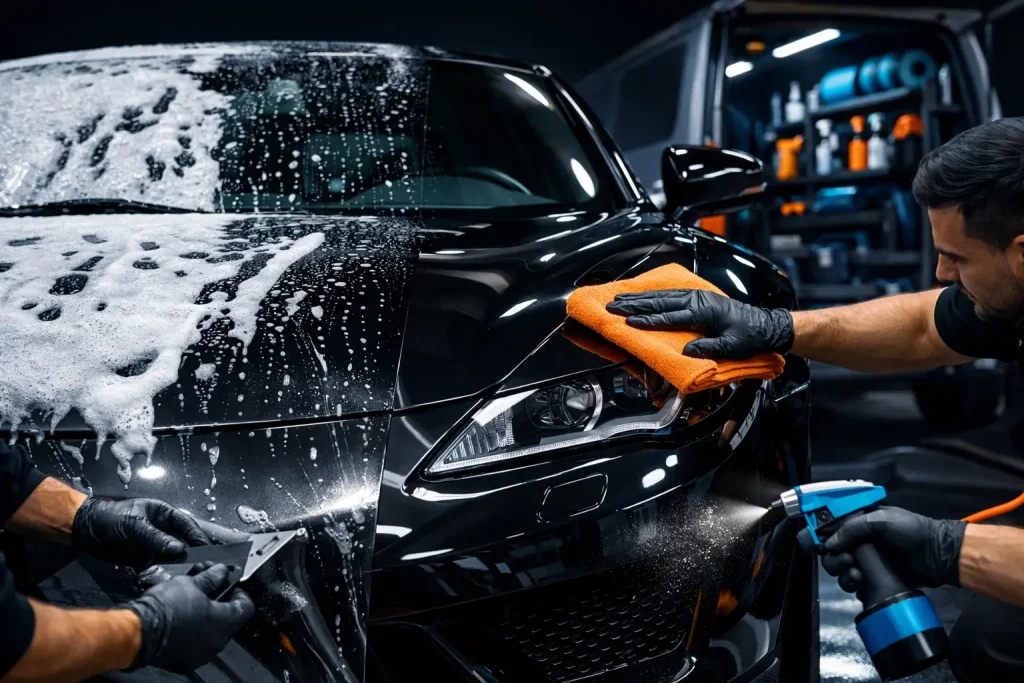
That swirl you notice under parking lot lights is usually the moment car owners start looking into the best paint protection options. A good wash can restore shine, but protection is what keeps that finish looking fresh between washes, under sun, dust, road grime, and daily use.
The right choice depends on how you use your vehicle, how much maintenance you want, and what kind of finish you expect. Some options are made for quick gloss and basic defense. Others are built for long-term durability and easier cleaning. If you want your car to keep that polished, revived look instead of fading into dullness, it helps to know what each layer of protection actually does.
Best paint protection options and what they really offer
Paint protection is not one single product category. It ranges from simple waxes to advanced ceramic coatings and physical film barriers. They all aim to reduce wear on your paint, but they do it in different ways.
Wax is the classic starting point. It adds gloss, deepens the look of the paint, and gives short-term protection against water, light dirt, and minor contamination. It is affordable and can make a car look noticeably better right away. The trade-off is durability. In hot climates, frequent washing and strong sun can wear wax down quickly, so it needs regular reapplication.
Paint sealants sit a step above wax in terms of longevity. These synthetic formulas are designed to last longer and resist the elements better. They often deliver a sharper, glassier shine instead of the warmer glow associated with wax. For owners who want a practical middle ground between entry-level protection and premium treatment, sealants make sense.
Ceramic coatings are the premium option many owners ask about first, and for good reason. They create a durable protective layer that bonds to the paint surface, making the vehicle easier to clean and more resistant to UV exposure, chemical stains, and environmental buildup. They do not make your car invincible, but they do make maintenance easier and help preserve that freshly detailed finish for much longer.
Paint protection film, often called PPF, is different from wax, sealant, or ceramic. Instead of being a liquid-applied protective layer, it is a transparent film installed over painted surfaces. Its main advantage is impact resistance. If your concern is stone chips, road debris, and light physical damage on high-contact areas, film offers protection that coatings cannot match.
How to choose among the best paint protection options
The best product is not always the most expensive one. It is the one that fits your routine.
If your car is a daily driver parked outside for long hours, protection against UV rays, dust, and frequent washing matters more than showroom-level perfection. In that case, a ceramic coating or a quality sealant can be a smart investment because they reduce cleaning effort and hold up better over time.
If you drive on highways often, or you own a newer vehicle and want to protect vulnerable front-end panels, film deserves serious consideration. It is especially useful on bumpers, hoods, mirrors, and other impact-prone surfaces. The cost is higher, but so is the level of defense.
If you enjoy detailing and do not mind regular upkeep, wax can still be a solid option. It gives immediate visual improvement and works well for owners who like refreshing their finish every few weeks. It is less about long-term convenience and more about short-term shine.
Budget matters too. Protection should feel like a smart maintenance choice, not an overbuilt solution that does not match your needs. A family SUV used for school runs, errands, and long outdoor parking may benefit more from durable protection and easy cleaning than from chasing a concours-style finish.
Wax, sealant, ceramic, or film?
Wax is best for owners who want gloss fast and do not mind reapplying it often. It is ideal for maintained vehicles that already receive frequent care, but it is not the strongest defense against heat, contamination, or extended wear.
Sealant is a more durable upgrade for people who want protection without moving into premium coating territory. It lasts longer than wax, performs well in everyday driving conditions, and usually requires less frequent attention.
Ceramic coating is best for owners who value convenience, long-term shine, and easier maintenance. Water behavior improves, dirt releases more easily, and the car tends to stay cleaner between services. The key point is prep. A coating applied over untreated defects will not hide them. Good paint correction before application is what makes the final result look premium.
PPF is best for impact-prone areas and owners who want physical defense, not just surface resistance. It does not replace good washing habits, but it can preserve vulnerable paint where normal wear hits hardest.
For many vehicles, the smartest answer is not choosing only one. It is combining the right services. Film on high-impact zones and ceramic on the remaining painted surfaces is a common premium approach because it balances defense, appearance, and maintenance ease.
What most car owners get wrong about paint protection
A lot of people expect protection to fix damaged paint. It does not work that way. If your paint already has swirl marks, oxidation, haze, or water spot etching, those issues should be corrected first. Protection locks in the condition underneath it, whether that condition is excellent or neglected.
Another common mistake is assuming ceramic coating means zero maintenance. A coated car still needs proper washing. Dust, traffic film, bird droppings, and minerals can still sit on the surface if the vehicle is ignored. The difference is that protected paint is easier to clean and less likely to degrade quickly.
There is also confusion around product labels. Not every product marketed with ceramic language delivers the same result as a professional-grade ceramic coating. Some sprays offer temporary hydrophobic behavior, which can be useful, but they are not the same as a properly prepared and applied long-term coating.
Why prep work matters more than most people think
The finish you admire after a protection service is usually won during the prep stage. Washing removes loose contamination. Clay treatment pulls bonded debris from the surface. Polishing refines the paint and improves clarity by reducing minor imperfections.
Without prep, even premium protection can underperform visually. A coating on unrefined paint may still protect, but it will not deliver the same depth, gloss, or clean finish. This is why premium service is about more than applying a product. It is about restoring the surface first so the protection enhances what is already there.
For busy vehicle owners, that matters. You are not paying only for a bottle. You are paying for trained hands, proper surface preparation, and a result that actually looks different in daylight, under garage lighting, and after the next wash.
The best paint protection options for different owners
If you lease your vehicle or rotate cars every few years, a sealant or entry-level ceramic solution may be enough. It improves appearance, helps preserve condition, and avoids overcommitting to the highest-cost option.
If you recently bought a new car and want to keep it looking sharp from the start, ceramic coating is often the sweet spot. It keeps maintenance manageable and helps preserve that newer, cleaner look over time.
If you own a premium vehicle, dark-colored car, or weekend car where finish quality really shows, combining paint correction with ceramic protection usually delivers the most satisfying visual result. Dark paint especially benefits from professional prep and protection because every defect is easier to see.
If your concern is chips and front-end wear, PPF makes the strongest case. It is not the cheapest route, but repainting damaged panels is rarely cheap either.
For motorcycles and other exposed vehicles, protection can be even more valuable because surfaces take direct contact from dust, heat, and road contamination. The right treatment helps preserve gloss while making regular cleanup less of a chore.
Choosing protection comes down to one simple question: do you want a car that looks freshly cleaned for a day, or one that stays easier to maintain for months? The best results usually come from matching the service to your lifestyle, not just the label on the package. If your vehicle is part of how you show up every day, protecting the finish is not extra. It is smart upkeep that keeps the shine working for you.