

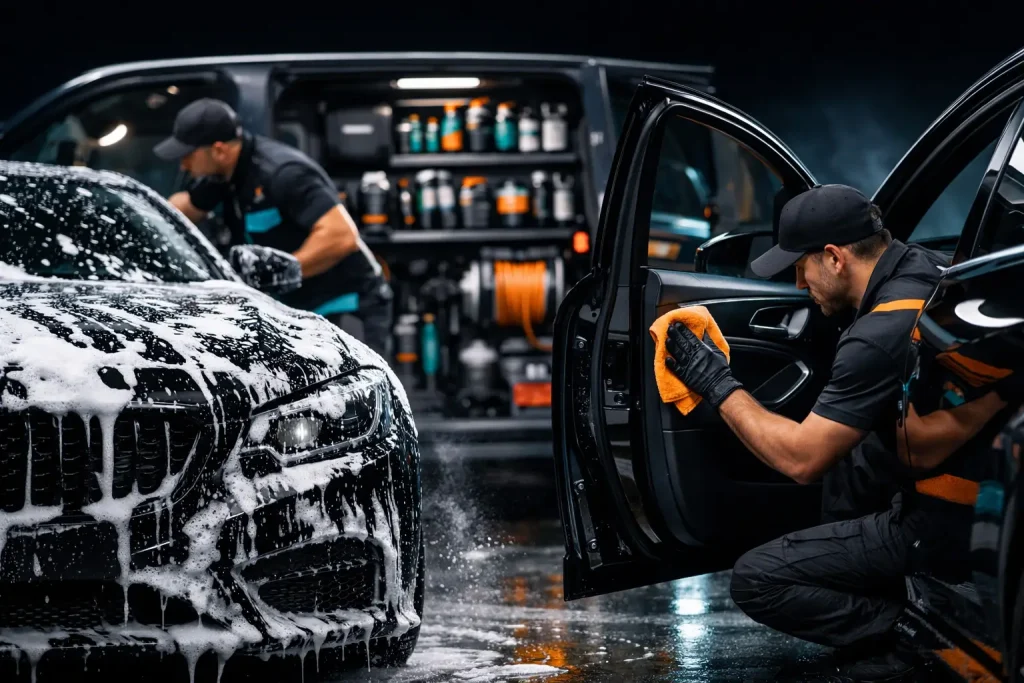
A buyer can forgive mileage. They can forgive a small chip or a used set of tires. What they rarely forgive is a car that looks neglected. That is why car detailing before selling is not just about making a vehicle look nice for photos. It is about shaping the buyer’s first judgment before they ever ask about service history or price.
When a car looks clean, glossy, and well cared for, buyers assume the ownership experience was the same. When it smells stale, has dusty vents, stained seats, and dull paint, they start looking for hidden problems. That shift in perception affects how quickly the car sells, how aggressively people negotiate, and whether they trust your asking price in the first place.
Why car detailing before selling changes buyer behavior
Most private sellers focus on pricing, mileage, and paperwork. Those matter, but appearance often determines whether a buyer stays interested long enough to care about the details. A properly detailed vehicle photographs better, shows better in person, and feels more valuable the moment someone opens the door.
This is especially true in markets where buyers have options. If two similar cars are listed at a close price, the cleaner one usually gets the call first. It feels newer, safer, and more respected. That matters because buyers are not just comparing specs. They are buying confidence.
There is also a practical side. Detailing removes distractions. Dirt can hide scratches, dust can flatten interior trim, and odors can make a well-maintained car feel tired. Once the vehicle is cleaned correctly, the real condition becomes easier to present honestly. That helps serious buyers move faster.
What buyers actually notice first
People like to say buyers inspect everything, but the first few minutes are usually driven by obvious visual and sensory cues. Paint clarity, wheel condition, glass cleanliness, interior smell, seat stains, dashboard dust, and the condition of mats all register immediately.
A buyer may not know the difference between a machine polish and a hand wax, but they will notice whether the finish looks flat or revived. They may not understand interior shampoo methods, but they will notice whether the cabin feels fresh or used hard. The sale often starts there.
This is why a basic wash is rarely enough. A quick rinse removes surface dust. It does not restore presentation. Before selling, the goal is not maintenance cleaning. The goal is to make the car feel cared for.
The areas that make the biggest difference
Exterior presentation leads the first impression, but interior condition often closes the gap between interest and hesitation. A polished exterior gets attention. A spotless cabin supports the asking price.
On the outside, focus matters most on paint, glass, wheels, tires, and trim. Clean wheels instantly improve the overall look of the car. Clear windows make the vehicle appear newer. Trim dressing can sharpen faded details, but it should look natural, not greasy. If the paint has light swirl marks or haze, polishing can dramatically improve gloss without repainting anything.
Inside, buyers notice carpets, seat fabric or leather, cupholders, door panels, the steering wheel, and the smell. Odor removal is one of the highest-value improvements because smell shapes emotion fast. Smoke, food, moisture, or pet odors can lower perceived value within seconds. Deep interior cleaning helps the car feel fresher, and that gives buyers fewer reasons to negotiate.
An engine bay can also help, but this is where restraint matters. A lightly cleaned engine bay signals care. An overly wet or shiny one can make buyers suspicious, as if you are hiding leaks. Clean, dry, and tidy is the standard.
Is car detailing before selling always worth the money?
Usually, yes, but not every car needs the same level of service.
If you are selling a newer vehicle, a premium-detailing package can help protect your price and shorten time on market. Buyers shopping in that bracket expect a high standard. Minor paint correction, interior deep cleaning, and trim restoration can make the difference between a casual inquiry and a serious offer.
If the vehicle is older or has visible wear, detailing still helps, but the strategy changes. You are not trying to make it look new. You are trying to make it look honest, cared for, and presentable. Deep cleaning is still worth doing. Heavy cosmetic spending usually is not.
That is the trade-off. Detailing improves perceived value, but it cannot erase accident history, mechanical issues, or major body damage. If the car needs expensive repairs, putting all your budget into cosmetic work may not produce a strong return. In that case, focus on cleanliness, odor removal, and a tidy presentation rather than advanced correction.
What level of detailing makes sense before selling
The right package depends on the vehicle’s condition, target buyer, and price point. For many cars, a thorough exterior wash, clay treatment, light polish, interior vacuum, stain removal, dashboard cleaning, glass cleaning, and tire dressing will cover most of what buyers care about.
If the paint is dull, polishing is often the upgrade that changes everything. It improves reflection, reduces light swirls, and gives the car a healthier finish in daylight and listing photos. If the interior has visible stains or embedded dirt, deep extraction becomes more important than exterior extras.
Ceramic coating is usually not essential right before a sale unless it helps position a premium vehicle more strongly. For most sellers, clean paint and strong gloss matter more than long-term protection. Wax or a short-term sealant is often enough to boost presentation without overspending.
DIY vs professional detailing before selling
You can clean your car yourself, and for lightly used vehicles, that may be enough. But there is a clear difference between cleaning and presenting a vehicle for sale. Professional detailing tends to deliver more consistent results, especially with paint clarity, stain removal, odor treatment, and hard-to-reach areas.
The main advantage is not just better tools. It is trained execution. Professionals know how to lift the finish without leaving residue, how to clean interiors without damaging trim, and how to improve the car’s appearance without making it look artificially dressed.
There is also the convenience factor. If you are already handling listing photos, title transfer prep, buyer messages, and test drives, a doorstep service saves time and removes one more task from your schedule. For busy owners, that matters just as much as the shine.
Mistakes that can hurt the sale
Overdoing it can be just as unhelpful as doing too little. Cheap silicone-heavy dressings, strong air fresheners, greasy interiors, or wet engine bays can make buyers wary. They may assume the car is being dressed up to hide problems.
Another mistake is waiting until the last minute. If you detail the car after taking listing photos, you miss one of the biggest benefits. Good detailing should happen before the shoot so the vehicle looks strong online from the start.
It is also a mistake to ignore minor clutter. Old documents, charger cables, kids’ items, trunk mess, and random personal belongings make the car feel less ready for sale. Clean presentation works best when the vehicle feels neutral and ready for its next owner.
How to prepare the car after detailing
Once the detailing is done, keep the condition stable until the sale. Avoid eating in the car, remove unnecessary items, and keep a small microfiber cloth on hand for fingerprints or dust before viewings. If possible, park in shade or covered space to preserve the finish and keep the cabin cooler and fresher.
For photos, use clean daylight and simple backgrounds. A detailed car does a lot of the work for you if the images are clear. Buyers should be able to see the gloss, clean wheels, tidy interior, and well-kept trim without distractions.
If you are booking a professional service, ask for a package that is built for resale presentation rather than maintenance cleaning. The goal is visible impact. At Ride Revivers, that means focusing on the areas buyers judge fastest – gloss, cleanliness, freshness, and a finish that feels premium at the doorstep.
The real return is not just price
People often ask whether detailing adds money to the sale price. It can, but the bigger return is usually speed, trust, and negotiation strength. A clean, revived vehicle attracts better inquiries, creates fewer objections, and reduces the pressure to discount just to keep a buyer interested.
That matters because selling a car is rarely only about maximizing every last dollar. It is also about avoiding wasted time, no-show buyers, and lowball offers from people who sense weakness in the presentation.
If you want your vehicle to feel worth the number on the listing, make sure it looks worth stopping for first. A serious buyer should walk up, look around, open the door, and feel like the car has been cared for from day one.